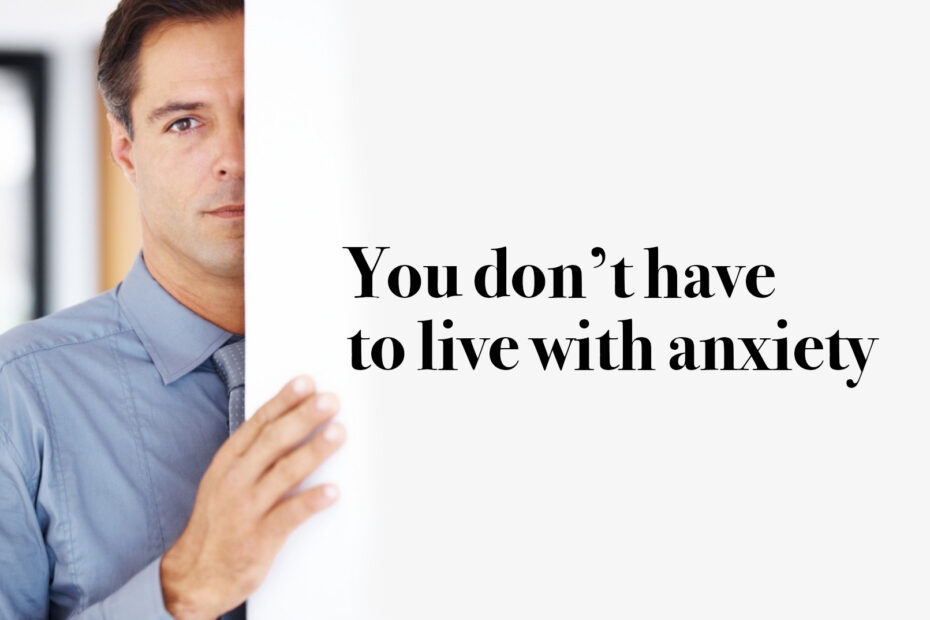
Anxiety is one of the most common and yet challenging psychological difficulties in the Western world. Of course, a small amount of anxiety is fine; it can sharpen the senses and bring energy and vitality to daily tasks and activities. But for many people anxiety gets out of hand; what they experience goes beyond just being tense, extra alert, or worried. It interferes with their capacity to go about their everyday lives. In fact, for some people, anxiety is continuously distressing and debilitating – undermining their self-confidence and affecting work, relationships, and social life.
People with serious anxiety difficulties report being unable to carry out their usual roles and tasks, to almost the same degree as people with chronic physical disorders like heart trouble, asthma, or arthritis. Most often they present to their doctor because of worrying physical symptoms – symptoms that are actually the result of what has been termed the fight or flight response, which is the body’s way of responding to and preparing itself to deal with impending danger. For people with anxiety difficulties, this response is often unhelpfully triggered by situations that actually pose no real threat, and are generally harmless.
A problem of anxiety may involve episodes of unexpected panic: an excessive fear of certain objects or situations (such as social events or crowds). It may involve obsessive thoughts and compulsive or repetitive behaviour. Occurring after a highly distressing or traumatic event, it may take the form of persistent anxious arousal, irritability, a tendency to be startled easily, a re-experiencing of the trauma, and/or avoidance of things associated with the traumatic event. However, the most common anxiety difficulty is generalized anxiety, which usually arises in a person who is by nature a worrier, with their worrying, oversensitivity and over-concern simply getting out of control.
Left unaddressed, problem anxiety will likely not only continue but also worsen. People with moderate to severe anxiety also have a significantly increased risk of developing depressive symptoms. The good news is, with psychological therapy, the outlook for anxiety sufferers is generally very good; but this does mean putting effort into adopting some changes in lifestyle and mastering new life skills. The more severe the anxiety the more effort is usually required to master it; but it can almost always be brought under control.
The most favoured therapy for anxiety usually includes elements such as (but not limited to):
- Learning effective relaxation/micro-meditation, breathing control and slowing motion techniques
- Using structured problem solving to “cut problems down to size” – putting them into perspective ready for constructive action
- Carefully graded progressive exposure to previously feared situations
- Policing and managing unhelpful thinking that is productive of anxiety
- Forms of physical exercise, that can burn up stress chemicals (like adrenaline) produced by the fight or flight response
- Adjustments in lifestyle such as diet (including certain beverages), sleep, and toning down tendencies of control
- Venturing into new and challenging environments and activities in a gradual and manageable way
You don’t have to live with an anxiety problem. The first ‘port of call’ may be to talk to a GP – just to rule out any physical or biochemical reasons (such as medication) for anxiety. Psychotherapists, psychologists, skilled counsellors and pastoral professionals all assist people with anxiety difficulties and are most readily available privately for a fee. There is no reason why you can’t be quickly started on a path of anxiety mastery and management.