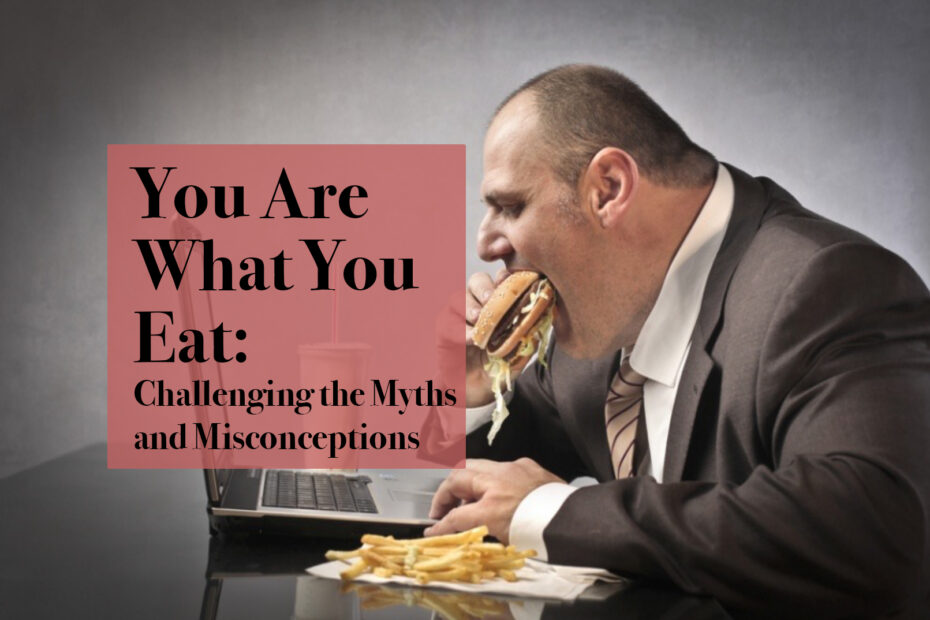
Men certainly aren’t the only offenders when it comes to gorging on diabolically unhealthy foods – but perhaps they should know better. Because, as any man will tell you, whether you’re running a truck, car, plane, or any other kind of machinery powered by an engine, if you don’t get the fuel right, the thing won’t ever run properly. Similarly, if we don’t fuel our bodies with the right mix of nutrients, not only will our bodies under-perform, but they will very likely wear out and break down a whole lot quicker.
Did you know that not only physical health, but also psychological wellbeing and brain health are closely tied to nutrition?
There is no getting away from the fact that ‘you are what you eat.’ There is now a whole science of metabolism and nutrition indicating that different foods undoubtedly impact mood, mental functions, and overall psychological wellbeing. Though these relationships are not in dispute, unfortunately, the general field of nutrition is bedevilled by conflicting recommendations, diets, dieting fads and highly misleading, biased and unscientific information.
The minefield of dodgy science
Even some of the most trusted sources which we’ve been led to believe are reliably based on current science, and best for us, are misleading. Take for example the food pyramid, (visual representations of which have been promoted almost universally for our guidance since the 1940’s), did not have its origins in recommendations for a balanced or ideal diet, but in food shortages.
Consider the decades of government health promotion campaigning and the unmitigated disaster of demonising dietary fat whilst ignoring the effects of sugar, highly processed foods and foods high in carbohydrates. This has not exactly ended well: most adults are now overweight or obese and the figure is rising. Being overweight is a huge contributor to diabetes and is strongly linked to a range of serious health conditions – including cancer. Not to mention a whole range of significantly negative effects on psychological wellbeing.
Misleading food labelling is rampant
Misleading food labelling and marketing have added hugely to the confusion about nutrition. An intentional marketing strategy with many foods (including those claiming to be most healthy), is to boast that products are fat free; yet conveniently neglecting to mention that they are high in sugar. It really does pay to read the contents labels, because doing so will often reveal (especially in highly processed foods) all sorts of components you will not want to be eating.
Large food manufacturers have enormous marketing and messaging power which is often not used responsibly. It is best to assume (despite some exceptions) that their concern is not the nutritional value or health consequences of their products but purely their profitability.
When science is not science
One of the problems with nutrition (and its effects) is that it is a highly complex field of science which is continually developing. Sadly, many governments and health professionals have not kept abreast of the evolving science of nutrition and are wedded to outmoded ways of thinking that are often not in our best interests.
Science becomes pseudo-science if it is not accommodating of new evidence and new knowledge. Not only so, but when it comes to the science of nutrition and its relationship to psychological well-being, knowledge of a whole range of disciplines (biochemistry, neuroscience, and botany to name just three of them) must be combined to provide a basis for the best guidance.
As consumers of food, we must be prepared to embrace change and to alter our food choices as the science of nutrition evolves. With so much confusing and misleading information being foisted on us, whether reliable or unreliable, it is tempting to just stick to what we know; but can we afford to do this when it is our health and psychological wellbeing that is at stake? ‘Burying our head in the sand’ is not the answer; we need to act on the best information available to us and remain prepared to be flexible and to change.
What should we eat for psychological wellbeing?
Space here doesn’t permit giving a proper answer to this question. However, what is provided below, are some basic rules of thumb, and a reliable source of reading that contains up-to-date science and excellent recommendations.
Basic rules of thumb:
- Reduce sugar.
- Eat meat, chicken and oily fish (like salmon, mackerel, or sardines).
- Eliminate or at the least reduce processed foods in your diet – especially highly processed foods.
- Definitely reduce carbohydrates (bread, pasta, rice).
- Take care of your gut (eat yogurt and sauerkraut).
- Eat moderate servings of leafy green vegetables (such as spinach, lettuce, bok choy, and cabbage).
- Use butter, tallow, or olive oil for cooking, rather than seed oils.
- Some dark chocolate with high cacao content and low in sugar, for a treat is fine.
- Eat nuts (in moderation) like walnuts, almonds, brazil nuts, and pistachios).
- Eat calcium rich dairy products (such as yogurt, and cheese).
Remember, one of the most potent ways to enhance brain chemistry is through food. Brain chemicals originate from what we eat. However, so called ‘superfoods,’ supplements and plant-based diets aren’t necessarily the key to optimal mental health.
*If you have a medical condition, or are pregnant, seek out an evidence-informed doctor or dietician for guidance.
Recommended reading:
Dr. Georgia Ede, an eminent Harvard-trained psychiatrist (specialising in nutritional and metabolic psychiatry) has written a book titled: “Change Your Diet, Change Your Mind” published by Yellow Kite Books, Hodder and Stoughton, London, 2024.