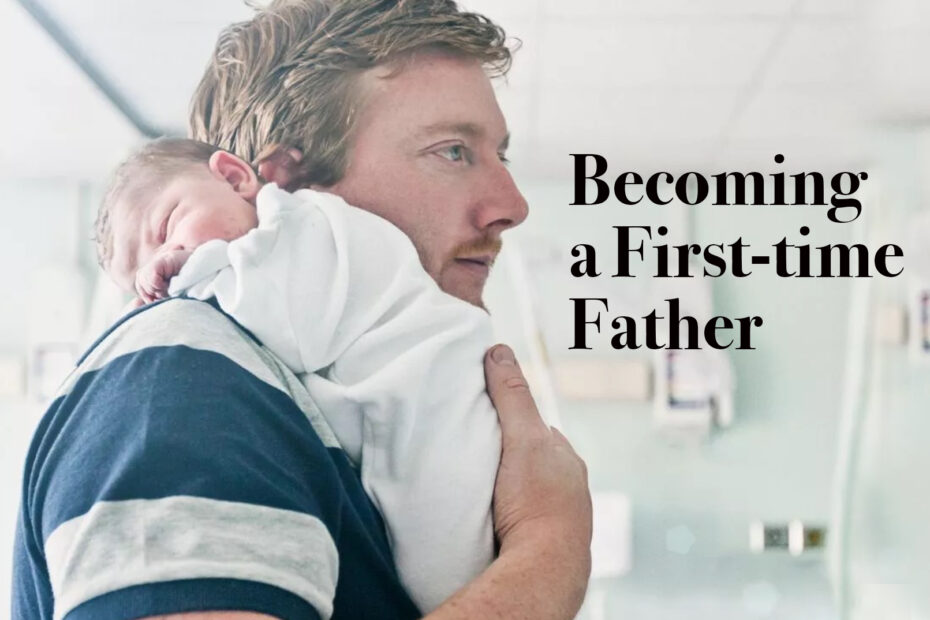
Just for Men (and for the women who want to sneak a look). If you find it interesting, do leave a comment and pass it on.
Becoming a First-time Father
As most fathers will confess, there’s simply nothing that can fully prepare you for the experience and upheaval of becoming a first-time father. Not only does it dishevel your everyday existence, affecting sleep, sex, recreation, living space, daily routines, financial expenditure, and much more – it also radically alters your sense of who you are. Going beyond being a partner or husband, to becoming a father, often opens up parts of a man he didn’t ever know he’d experience or feel. And though for most new fathers it’s usually very positive, for some, at least for a while, it can be quite bewildering and uncomfortable.
A great deal of fuss is being made about fathering and fatherhood these days – including the apparent problem of too little involvement by some fathers with their newborn infants. But does the world really welcome new fathers? Sometimes not; and that may be the single most perplexing thing a new father has to contend with.
Men often feel the tension of wanting – trying, to find scope for meaningful involvement as a father, but being subtly kept on the periphery. They sometimes have a sense of women closing ranks, rather than making an effort to include them; and sometimes being merely politely humored in their fumbling attempts to feel relevant and play a meaningful part.
Not infrequently, men are shown little patience in hospital and health settings catering for birthing mothers and new infants. The community midwife visits when fathers aren’t at home; the whole range of information for new parents is couched in terms that usually only cater for mothers, not fathers. And though the importance of good fathering to healthy and normal early childhood development is indisputable, many men struggle to discover the important father-role they are told is expected of them. Single supporting fathers especially have said time and time again that they are rarely catered for, nor do they feel supported, by health and welfare programs.
Given most men’s likely domestic daytime absence due to work, and that the time of infant childrearing is generally more heavily maternal, being an involved father may not be something that happens without its mishaps. New fathers may need to negotiate with their partners, and thoughtfully and realistically decide for themselves what their fathering role is to be. Certainly, that isn’t something that disdainful finger-wagging political correctness should ever decide.
New fathers, who are themselves keen on substantial involvement with their infants, may need to assert their right to be considered and welcomed, not only by the women around them, but also by the health and welfare services that make contact with their infants.
Fatherhood isn’t something that should be left to women to decide – or uninvolved “experts”. The shape it takes within each family, and for each father, will ideally emerge out of truthful and unselfish communication between both partners, in consideration of their particular needs, desires, and circumstances.