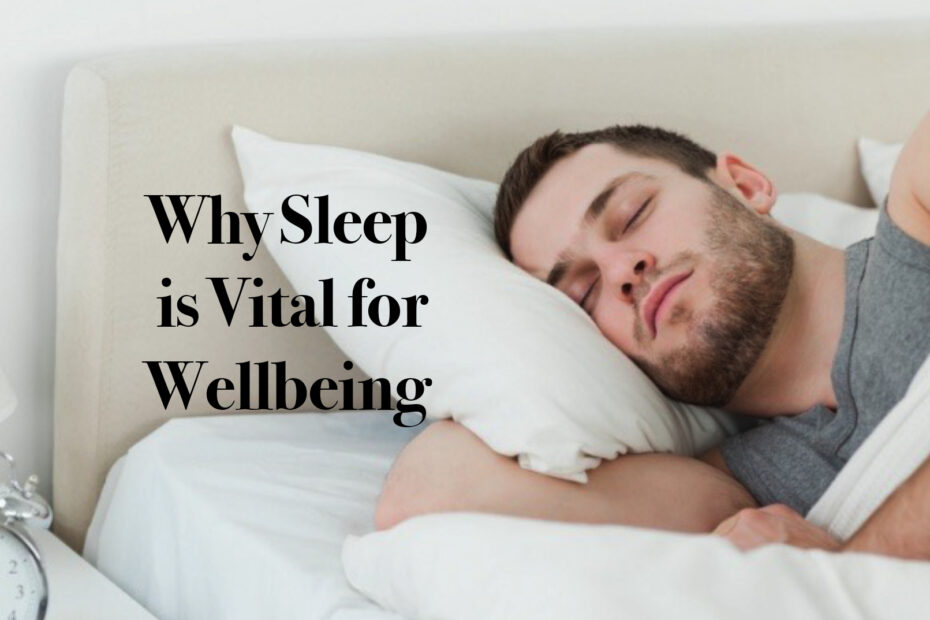
Sleep is an essential pillar of psychological wellbeing. Sleep deprivation can cause: stress and anxiety to elevate, mood to deteriorate, mental functioning and performance to fall away markedly, making coping with life’s demands much more difficult.1, 2
Most adults need 7–9 hours of sleep for overall wellbeing3. And, whilst quantity of sleep is important, so is the quality of sleep.
Even moderate sleep deprivation has measurable functional consequences. Being awake for around 17–19 hours produces cognitive and psychomotor impairment comparable to a blood alcohol concentration (BAC) of approximately 0.05%, with further impairment approaching 0.08% after longer wakefulness4. This has clear implications for activities such as driving.
Things that influence sleep
Length and quality of sleep can be significantly disrupted by caffeine (a long-acting stimulant), which elevates stress and anxiety hormones, and alcohol (a depressant), which can result in a depressed mood. 5&6
Light exposure also has a profound effect on sleep quality: morning daylight exposure helps to set the sleep and wake cycle/clock, as does diminished light at night, which triggers the secretion of a hormone called melatonin, intended to prime the body for rest. 7 Late night TV watching, device screens, or light intrusion because of poor curtains or blinds, can make getting to sleep and staying asleep a real problem. 8
Exercise is vitally important for restorative sleep and can help you with getting to sleep, so long as you exercise before rather than after dinner. 9 Maintaining movement and physical activity, even in simple ways, can improve sleep. This applies to people who have limited mobility.
Ways you can improve your sleep
- Try to have regular going to bed and getting up times.
- Use a mind and body stilling relaxation technique for sleep preparation.
- Limit alcohol and only drink no later than early to middle evening.
- Limit caffeine during the day and have none after mid-day (consider decaffeinated alternatives).
- Try to eat dinner before 7pm. No heavy meals before bed.
- Control light intrusion into your bedroom but get lots of light exposure first thing in the morning.
- Control intrusive noise (consider using a white noise application on your smart phone to interrupt intrusive background noises).
- Regulate room temperature to a sleep optimal 16–18°C.10
- Disconnect from all screens (including TV and devices) 90 minutes before retiring and avoid stimulating conversations.
- If you wake and can’t sleep, get up, relax, perhaps have a warm drink and return to bed once sleepy.
- Deal with worries or problems by making a list of things to be tackled the next day. Once done, leave this outside your bedroom.
- If you are carrying more than your recommended body weight, snore loudly, wake with headaches and not feeling refreshed, or wake abruptly gasping for breath or choking, you may need to talk to your doctor about a sleep apnoea test (sleep apnoea is when your breathing stops and starts in your sleep).11
References
1. Alhola, P., & Polo-Kantola, P. (2007). Sleep deprivation: Impact on cognitive performance. Neuropsychiatric Disease and Treatment, 3(5), 553–567.
2. Baglioni, C., et al. (2016). Sleep and mental disorders: A meta-analysis. The Lancet Psychiatry, 3(6), 562–571.
3. Watson, N. F., et al. (2015). Recommended amount of sleep for a healthy adult. Sleep, 38(6), 843–844.
4. Dawson, D., & Reid, K. (1997). Fatigue, alcohol and performance impairment. Nature, 388(6639), 235.
5. Nehlig, A. (2010). Is caffeine a cognitive enhancer? Journal of Alzheimer’s Disease, 20(S1), S85–S94.
6. He, S., et al. (2019). The effects of alcohol on sleep. Current Opinion in Psychology, 30, 152–158.
7. Czeisler, C. A., et al. (1999). Human circadian pacemaker. Science, 284(5423), 2177–2181.
8. Chang, A.-M., et al. (2015). Evening device use and sleep. PNAS, 112(4), 1232–1237.
9. Kredlow, M. A., et al. (2015). Physical activity and sleep. Journal of Behavioral Medicine, 38, 427–449.
10. Okamoto-Mizuno, K., & Mizuno, K. (2012). Thermal environment and sleep. Journal of Physiological Anthropology, 31(1), 14.
11. Senaratna, C. V., et al. (2017). Sleep apnea prevalence. Sleep Medicine Reviews, 34, 70–81.